HOW TO IMPROVE YOUR MEMORY
Do you know someone who has a great memory? Would you like to have one, too? Here’s the secret:
You can train and improve your memory. You need to do it before memory loss becomes a physical brain issue, such as dementia. In fact, evidence shows that giving your memory a workout can help stave off dementia. Like anything else, improving memory takes practice. Memorizing poetry, song lyrics, passages from books and other things that you find useful is a great way to exercise and strengthen your memory. Memory is just neural pathways in your brain, and you grow new ones when you commit something to memory. Memorizing things is like lifting weights with your brain cells. It makes them stronger.
With all the electronic aids and now Artificial Intelligence, we are losing our ability to form memories. Why memorize it when it’s at your fingertips in your phone?
A good memory is worth cultivating. First of all, if you want to spark great conversations, it’s very helpful to have interesting things memorized. It’s not very conducive to the flow of conversation to look things up in your phone in the middle of a discussion.
Memory and curiosity are related. Being curious means you want to know something, so you’re paying attention, and attention is very important to memory. We remember best what we are really focused on, not distracted with other thoughts or activities. This is called being present in the moment, and it’s such an important topic for today’s age, where everyone is escaping into being constantly wired in, tuned in, and spaced out. Being present means being fully aware in the current moment, and paying attention. It is having all your senses: sight, hearing, touch, taste and smell; engaged, and not blocking them out. When you are present to yourself, you have an ongoing relationship with yourself, and you know in any moment what you think, how you feel, what you want, and consequently how to relate. Being present to yourself means being comfortable with your feelings, and also in charge of them, so you use your awareness to act thoughtfully rather than reacting impulsively.
Being present in relationships means really experiencing your time with your friends, family, and partner. Paying full attention to what they are saying, how they are feeling, and how that makes you feel. It will enrich your relationships, and you’ll know how to respond to whatever is going on. Being present around others will also help you know the good guys from the bad guys, to keep yourself safe and happy.
Being present to the moment means you always know what’s going on around you, and are available to take advantage of opportunities that come along at exactly the right moment. It also means you’ll remember things and events more clearly.
Being present also means you’ll need some alone time, to process all the extra information you’re becoming aware of.
To get present:
1. Take a break from audio input: Take some time off from being constantly wired for sound: take off the earbuds, turn off the phone videos, music, TV or radio, and just be with you and with other people without all those distractions. There is a time and place for a soundtrack, but it shouldn’t be drowning out your interactions with yourself and with others. The ability to hear yourself think is essential to a good memory.
2. Practice asking your own opinion: What do you think about what’s going on? How do you feel about it? What do you want to do? Try beginning each day with a planning session: what you do want to get out of the day, and how do you plan to do it. Is anything coming up today that could be a problem? How do you want to approach it? Try ending each day with a debriefing session: review your day, and have a discussion with yourself about how it went, what you will do differently next time.
3. Pay attention to those around you: When you're around other people, practice really paying attention to them, and to how you feel about being with them. This may change your relationships drastically, but it will be a change for the better. Listen to others’ opinions, wants, feelings, and also know your own.
4. Take a break from noise: Allow yourself some “down time” from constant activity and stimulation. Learn to meditate or just relax and focus on the moment. Learn to still the mindless chatter in your head, and create calm there. Negative self-talk brings you down and distracts you from actually being present in your own life.
You’ll find that when you’re available and not distracted, your memories will create themselves. Your brain will soak it all in and you’ll be able to retrieve it when you need it.
Who knew all it took to improve your memory is being present in the moment?
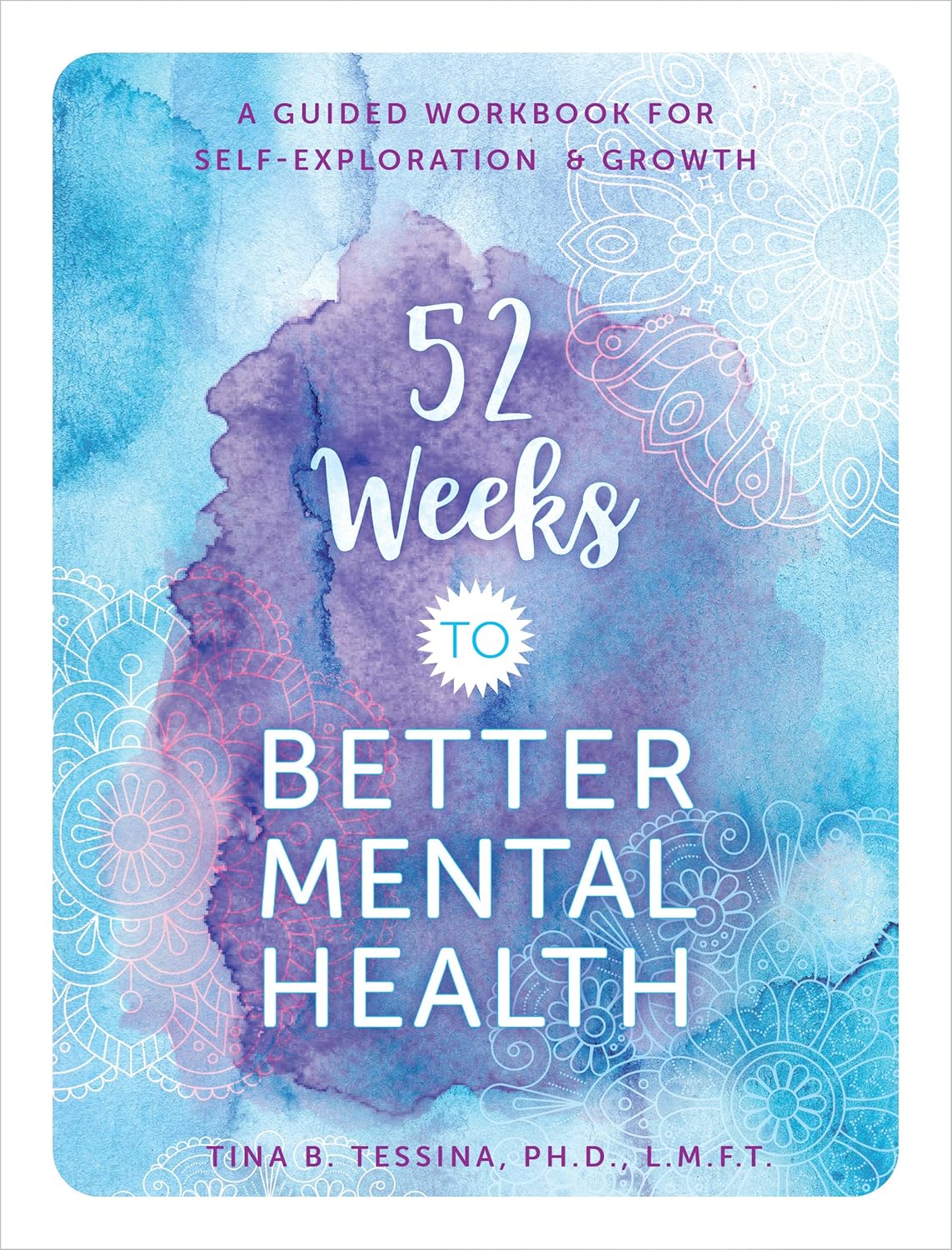
Adapted from: 52 Weeks to Better Mental Health: A guided Workbook for Self-exploration and Growth https://amzn.to/3jmVUUY.